Why Your House Feels Cold Even With the Heating On (and What Actually Fixes It)
It’s a familiar Irish winter experience. The heating is running, the radiators are warm, and yet the house still feels cold.
This is especially common in older Irish homes built before modern insulation standards. Heat is being produced, but it isn’t staying in the living space long enough to provide lasting comfort.
According to the Sustainable Energy Authority of Ireland, up to 60% of heat in an uninsulated home can be lost through walls and roofs alone, before draughts are even considered. That lost heat has to be continuously replaced, which drives up energy use without improving how the home feels.
This aligns with figures from South Dublin County Council, which confirm that around 30% of heat is lost through the roof and a further 30% through external walls, with additional losses through windows and doors.
In these cases, the heating system usually isn’t the issue. The real problem is that warmth escapes faster than the house can retain it.
As heat leaks out, cold air is pulled in through gaps and draughts. This constant air movement makes rooms feel colder than the thermostat suggests, which is far less noticeable in a properly insulated home.
Insulating helps create a more comfortable home with a more consistent indoor temperature.
Where Heat Escapes in Most Irish Homes
Most homes lose heat in predictable places. Once you know where to look, it becomes easier to understand why rooms struggle to stay warm, even when the heating is on.
Heat loss is rarely caused by one major fault. More often, it’s the combined effect of several small weaknesses across the building.
Heat Rises and Escapes Through the Roof
Warm air naturally rises, which makes the roof and attic the largest source of heat loss in many Irish homes. Where attic insulation is thin, damaged, or outdated, heat escapes almost as quickly as it is produced.
Insulation materials can compress or deteriorate over time. Homes insulated decades ago may no longer perform as expected today.
As warm air gathers near the ceiling, it slips through poorly insulated roof spaces. Without a proper thermal barrier, that heat is lost repeatedly.
The heating system then has to replace that lost warmth. The result is higher energy use with little improvement in comfort.
Older Walls Weren’t Necessarily Designed to Hold Heat
Much of Ireland’s housing stock was built before wall insulation became standard. Solid walls and unfilled cavities allow heat to pass straight through to the outside.
In winter, these walls cool quickly and stay cold. Once cold, they continue to draw warmth out of the room.
Even when the air feels warm, cold walls absorb that heat. Rooms can feel chilly despite the thermostat suggesting otherwise. This is why two homes at the same temperature can feel so different.
Draughts Undermine Even the Best Heating Systems
Small gaps around windows, doors, floors, and pipework allow cold air to enter and warm air to escape. These draughts are often subtle but constant.
Because they are uneven, draughts create pockets of cold air that never fully mix with warmer air.
Poorly sealed windows are a common cause of cold rooms. Warm air struggles to settle when it is continually being displaced. Blocked vents and poor air circulation can also worsen the problem, leading to uneven heating across the rest of the house.
Cold Floors Pull Warmth Out of the Room
Suspended timber floors and uninsulated concrete slabs are often overlooked sources of heat loss. Cold floors draw warmth out of the air.
Warm air rises away from the floor, while cooler air settles where people sit and walk. This creates noticeable cold spots. As such, a room can feel uncomfortable even when the air itself is technically warm.
Why Turning Up the Heating Doesn’t Always Work
When a house feels cold, the natural response is to turn up the heating. Unfortunately, this rarely fixes the issue and often increases energy bills instead.
Raising the thermostat increases heat output, but it does nothing to slow the rate at which heat is being lost.
Heating Warms Air, Not the Building
Central heating systems warm the air inside a room. They do not significantly heat walls, floors, or ceilings.
Air heats up quickly, but it also cools quickly. Without insulation, there is nothing to hold that warmth in place. If surrounding surfaces are cold, they immediately absorb heat from the air. The room may briefly reach the desired temperature, but it never feels settled.
Portable heaters create the same issue. They add heat locally but do nothing to stop it from escaping.
In homes with ducted systems, dirty or clogged air filters can restrict airflow, leaving some rooms colder than others.
Cold Surfaces Steal Heat Back Again
Uninsulated walls, floors, and ceilings act like heat sinks. As warm air circulates, that heat is absorbed and lost outside.
This happens continuously, even while the heating is running. It’s why rooms cool down quickly once the heating switches off. The warmth has nowhere to stay.
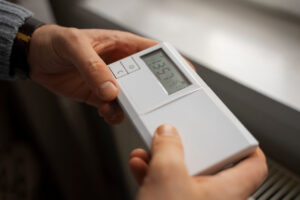
Thermostats Can Be Misleading
Thermostats measure air temperature at a single point. They do not account for draughts, cold surfaces, or uneven heating.
Two rooms can register the same temperature while feeling completely different. A faulty or poorly positioned thermostat can make matters worse by switching the heating off too soon. Smart thermostats can help manage heating patterns, but they cannot overcome poor insulation or air leaks.
Higher Bills, Same Level of Discomfort
When heat loss is high, the heating system has to run longer to maintain the temperature. This increases fuel use without improving comfort.
Boilers and heat pumps also become less efficient when constantly cycling. Many households accept this as unavoidable in winter. In reality, it usually means the house is losing heat faster than it can retain it.
The Difference Proper Insulation Makes
Insulation changes how a home behaves, not just how it is heated. Instead of constantly replacing lost warmth, the house begins to hold on to it.
This shifts the balance from producing heat to keeping it inside.
Slowing Heat Loss at the Source
Insulation creates a barrier that slows the movement of heat. Warmth remains indoors instead of escaping through walls, roofs, and floors.
Some heat loss still occurs, but at a far slower and more manageable rate. This improves overall energy efficiency and reduces strain on the heating system.
What Real Heat Retention Feels Like
In a well-insulated home, warmth feels steady rather than fleeting. Rooms stay comfortable even when the heating cycles off.
Temperature changes are gradual instead of sudden. Walls and floors feel less cold to the touch, making a noticeable difference in daily comfort.
Fewer Cold Spots, Fewer Draughts
Good insulation reduces temperature swings between rooms. Heat spreads more evenly rather than collecting near radiators.
Cold corners become less pronounced, and air movement feels gentler. When combined with proper sealing, insulation helps prevent cold air from undermining comfort near floors and windows.
A More Predictable Indoor Environment
Well-insulated homes are less affected by sudden weather changes. Cold snaps feel less severe, and milder days stay comfortable for longer.
Indoor humidity also plays a role. Very dry air can make rooms feel cooler than they are.
Energy-efficient, double-glazed windows allow natural light to contribute gentle warmth during the day.
What Actually Fixes the Problem?
Fixing a cold house starts with reducing heat loss. In most cases, a combination of targeted improvements delivers the best results.
Improving insulation and sealing leaks supports the entire heat source, whether gas, electric, or heat pump-based. Tools such as thermal cameras can help identify cold spots and hidden air leaks.
Upgrade Attic Insulation First
The attic is often the largest source of heat loss in a home. Improving insulation at the roof level delivers fast, noticeable comfort gains and reduces heat escaping upward.
Insulate External Walls Where Suitable
Wall insulation helps prevent warmth from escaping through cold surfaces, particularly in older homes with solid or poorly insulated walls.
Seal Obvious Draughts Properly
Gaps around windows, doors, and floors allow constant heat loss. Proper draught sealing reduces this loss without compromising necessary ventilation.
Address Cold Floors
Insulating floors improves comfort where it is felt most and reduces heat loss at ground level, especially in homes with suspended timber floors.
Focus on Heat Retention, Not Heat Output
Keeping warmth inside the building envelope is more effective than continually trying to replace lost heat with higher heating output.
Take a Whole-Home Approach
No single measure works alone. Combining insulation improvements with draught control delivers more consistent, lasting comfort throughout the home.
Comfort Starts With Proper Insulation
When a house feels cold even with the heating on, the issue is rarely the boiler or radiators. More often, it’s the building itself that allows warmth to escape.
Insulation changes how warmth is experienced. Floors feel less cold, rooms feel calmer, and temperatures stabilise.
For many Dublin homes, improvements such as attic insulation and wall insulation make the biggest difference by addressing heat loss at its source. These upgrades help homes hold warmth rather than constantly replacing it.
The real benefit isn’t just lower energy use. It’s a house that feels comfortable, quieter, and easier to live in during winter.
If you’re still adjusting the thermostat and wondering why the house never quite warms up, it may be time to look at how well it holds heat. Contact us today to learn where warmth is escaping and what steps could improve comfort.