Living in an Older Irish Home? The Most Effective Insulation Upgrades Without a Full Retrofit
Living in an older Irish home often means the heating is on, yet the house still feels cold. Rooms warm slowly, heat disappears quickly, and comfort never quite settles, especially during long winter periods.
This is a common experience across Ireland, where much of the housing stock was built before insulation standards were introduced. These homes weren’t designed to retain heat efficiently, so warmth escapes faster than modern heating can replace it.
The good news is that heat improvement does not have to mean a full insulation retrofit or rebuild. In many older Irish homes, a few targeted insulation upgrades can noticeably improve comfort without major disruption.
For many homeowners, insulation in older Irish homes is less about upgrading equipment and more about addressing heat loss through the structure itself.
The Sustainable Energy Authority of Ireland notes that significant heat loss in older homes typically occurs through uninsulated roofs, walls, and floors, undermining comfort regardless of how long the heating runs.
Understanding where heat escapes and which insulation upgrades deliver the greatest benefit is the first step towards making an older Irish home warmer, more comfortable, and easier to live in, while protecting usable room space.
Why Older Homes Lose Heat So Quickly
In older Irish homes, heat loss rarely comes from a single obvious fault. Instead, warmth escapes through several weak points at once, each undoing the work of the heating.
These issues are common in properties built before insulation became standard. Identifying where heat escapes explains why comfort can be difficult to maintain, even when the heating is on for long periods.
In many older Irish homes, gaps appear as materials settle over time. Floorboards shift, plaster cracks, window and door frames loosen slightly, and small openings form around pipework and service runs.
These changes can be gradual, but they add up to steady heat loss and persistent draughts.
The Roof: Warm Air’s Favourite Exit
Warm air naturally rises, which makes the roof and attic the largest source of heat loss in most homes. Without sufficient insulation, heat escapes almost as quickly as it is produced.
In older properties, attic insulation may be thin, uneven, or compressed over time. Gaps around joists and edges allow warm air to leak out continuously, which makes upstairs rooms especially difficult to keep warm.
Walls That Were Never Meant to Hold Heat
Many older Irish homes were built with solid walls or unfilled cavity wall construction. These structures allow heat to pass straight through to the outside.
Cold walls absorb heat from indoor air, making rooms feel chilly even when the thermostat indicates otherwise. This is why sitting near an external wall often feels noticeably colder.
In older Irish homes, wall insulation options depend on construction type. Solid walls often require external wall insulation or internal wall insulation, while cavity wall insulation may be suitable where cavity blocks are present.
Choosing the right approach improves thermal performance without compromising ventilation or moisture control.
External insulation can be a strong option where suitable, while internal dry lining on the inner face is sometimes used to improve the wall’s performance, and timber frame walls require careful detailing to protect ventilation and reduce moisture risk.
Draughts: The Slow, Constant Heat Thief
Small gaps around windows, doors, floors, and pipework allow cold air to enter and warm air to escape. These draughts are often subtle but persistent.
Because the air movement is uneven, rooms struggle to reach a stable temperature. Cold pockets form near floors and windows, undermining comfort throughout the space.
Cold Floors and the Problem Beneath Your Feet
Uninsulated floors allow cold to rise into living spaces, particularly in homes with suspended timber floors. Even when the air is warm, cold floors pull heat away from the body.
This creates discomfort at ground level, where people sit, walk, and relax. Over time, these cold surfaces make entire rooms feel harder to heat.
The Most Effective Upgrades to Start With
In older homes, the biggest comfort gains usually come from addressing heat loss before upgrading heating systems. Focusing on the areas where warmth escapes most quickly helps the home hold onto heat for longer, making rooms feel warmer with less energy. Starting with these targeted improvements creates a stronger foundation for long-term comfort and efficiency.
Start Where Heat Escapes Fastest: The Attic
Attic insulation is often the most effective first improvement in an older home. Warm air naturally rises, and without sufficient insulation at ceiling level, heat escapes continuously through the roof.
Upgrading attic insulation can deliver noticeable improvements quickly because it affects every room below. Benefits often include faster warm-up times, less overnight heat loss, warmer upstairs spaces, and reduced strain on the heating system.
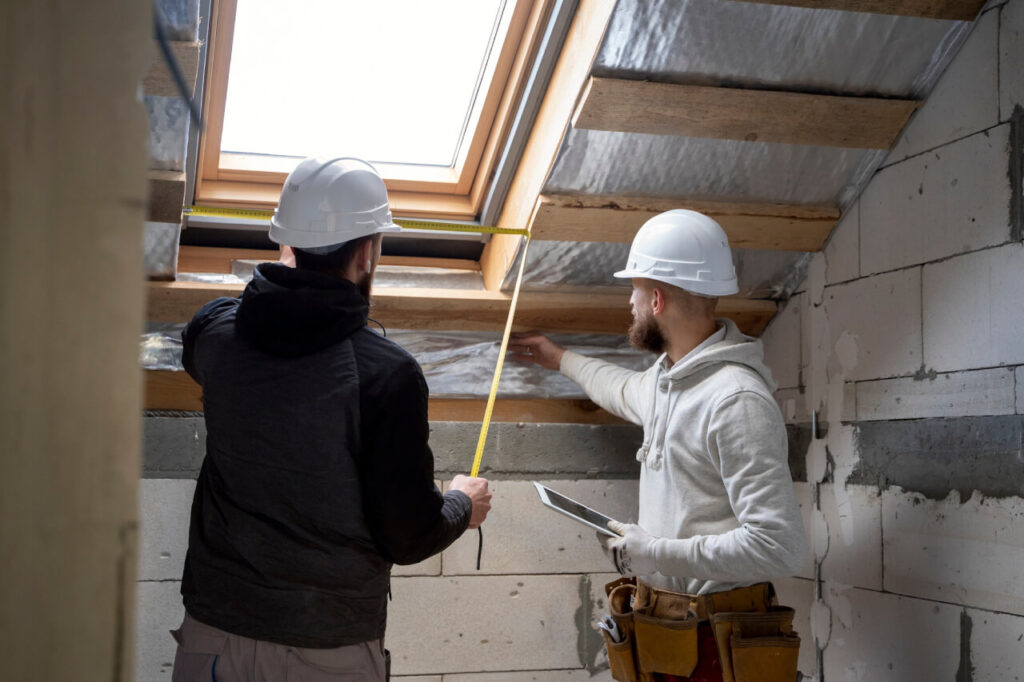
For insulation to perform properly, attic floors should be covered evenly, with careful attention around pipework, water tanks, and access points. In homes with attic conversions, insulation must be adapted to sloped ceilings and roof spaces to maintain consistent comfort.
Installation details matter. Gaps around roof timbers and junctions can undermine performance over time, which is why thoughtful design and proper fitting are key to long-term results.
Address External Walls Where Suitable
Walls account for a large proportion of heat loss in older Irish homes, particularly those built with solid walls or uninsulated cavities. Even when the air inside is warm, cold walls draw heat out of the room.
Where cavity walls are present and suitable, cavity wall insulation is often one of the most cost-effective upgrades for older Irish homes.
Wall insulation helps by:
- Raising internal wall surface temperatures
- Reducing the cold, draught-like feeling near external walls
- Making rooms feel warmer at lower thermostat settings
- Improving comfort in living rooms and bedrooms
Not every wall type is suitable for the same solution, which is why assessment matters. The goal is to improve heat retention without trapping moisture or affecting the building’s ability to breathe.
Seal Draughts Without Blocking Ventilation
Draughts are one of the most underestimated causes of discomfort. Small gaps around windows, doors, floors, and service penetrations allow constant air movement that prevents rooms from stabilising.
Effective draught sealing focuses on:
- Closing unintended gaps where warm air escapes
- Reducing cold air entry at floor level and around frames
- Improving comfort without compromising ventilation
Maintaining proper ventilation is essential to manage moisture, protect the damp proof course, and prevent cold spots that undermine indoor comfort.
When done properly, sealing draughts makes heating feel more even and predictable rather than patchy and inconsistent.
What Usually Isn’t Worth Doing First
In older Irish homes, some upgrades feel productive because they’re visible, but they don’t actually reduce heat loss. Without addressing insulation first, these changes rarely improve comfort for long.
Cosmetic fixes that usually aren’t worth doing first include:
- Redecorating rooms while cold external walls remain uninsulated
- New flooring finishes without addressing draughts or uninsulated subfloors
- Replacing windows without sealing gaps elsewhere in the building fabric
Expensive systems can also disappoint when insulation is overlooked. Installing higher-output heating or advanced controls won’t solve comfort issues if heat continues to escape through the roof, walls, and gaps.
The Results Families Typically Notice
When insulation upgrades are chosen carefully, the improvement is usually felt in everyday comfort rather than in a single dramatic change. Homes begin to feel steadier, less draughty, and easier to heat.
Families typically notice:
- Rooms warming faster
- Heat lasting longer after the heating switches off
- More consistent comfort across the house
What this improved heat retention feels like day to day is a more settled, predictable indoor environment. Warmth feels steadier and less forced, with rooms staying comfortable for longer periods even between heating cycles. Temperature swings become less noticeable, and cold spots soften as differences between rooms reduce.
Insulation also changes how internal surfaces behave, not just the air temperature. Walls and floors no longer feel cold to the touch, which reduces radiant heat loss from the body. This is why insulated rooms often feel warmer at the same thermostat setting — comfort improves because the body is no longer losing heat to surrounding surfaces.
By slowing heat movement through the structure, insulation buffers indoor temperatures from outdoor conditions. Instead of reacting quickly to cold weather, the home maintains a more even internal climate. This stability reduces the need for constant heating adjustments and makes comfort easier to manage day to day, particularly during prolonged cold spells.
A Warmer Home Starts With Keeping Heat In
Improving comfort in an older Irish home works best as a step-by-step process. Starting with the areas where heat escapes fastest allows homeowners to build improvements gradually, rather than committing to a full insulation retrofit all at once.
In older Irish homes, comfort improves most when heat loss is reduced rather than when heat output is increased. Insulation addresses the root cause by limiting where and how warmth escapes.
Lasting comfort usually comes from a combination of upgrades that work together across the building envelope. The goal is to allow the heating system to work efficiently instead of constantly replacing lost heat.
Living in an older Irish home does not have to mean enduring cold rooms and constant heating adjustments. In most cases, discomfort is not caused by the heating itself, but by how easily warmth is lost through the structure of the house.
Targeted improvements, such as attic insulation, external wall insulation, or internal wall insulation upgrades where appropriate, make the biggest difference when they are chosen based on how a specific property is built. These measures work in the background, improving comfort without changing how you live.
Insulation upgrades also support a stronger BER rating and improve a home’s building energy rating, with SEAI grants available through the Sustainable Energy Authority of Ireland for qualifying improvements. Many SEAI grants can be applied to insulation work as part of a structured retrofit plan.
Take the Next Step With a Home Insulation Assessment
If you’re unsure where heat is escaping in your home, scheduling a home insulation assessment with Usher Insulations provides a clear, practical starting point. Our assessments focus on how your existing home behaves, identifying where insulation will make a difference and where interim measures are most effective.
Working alongside building professionals where appropriate, Usher Insulations helps homeowners understand which upgrades deliver lasting comfort improvements. Book your assessment today!