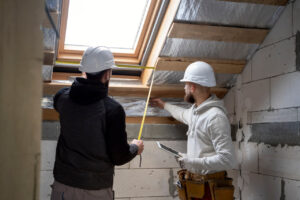
How Poor Insulation Affects Your Family’s Health
In many Irish homes, especially older properties, insulation levels fall well below modern standards. Heat loss through walls, roofs, and floors leads to fluctuating indoor temperatures and rising humidity, creating conditions that place ongoing strain on the body.
These health effects often develop gradually. A home may appear functional while exposing occupants to cold surfaces, unstable indoor air, and excess moisture.
Over time, this increases health risks, particularly for children, older adults, and people with respiratory conditions. These risks remain highly relevant in Ireland, where many older homes were never designed to maintain stable indoor temperatures.
If your home feels cold even when the heating is on, or you notice condensation on windows most mornings, your health may already be paying the price of poor insulation.
Before looking at insulation solutions, it helps to understand how insulation affects the day-to-day health of the people living inside the home.
Cold Homes and Respiratory Health
Poor insulation contributes directly to respiratory problems by creating unstable indoor temperatures and persistent moisture. When warm indoor air meets cold surfaces, condensation forms, increasing humidity levels and encouraging mould growth.
How Temperature Instability Affects Breathing
Cold indoor temperatures cause airways to constrict, making breathing more difficult. This effect is magnified when indoor temperatures fluctuate throughout the day, forcing the body to continually adapt.
During sleep, this becomes more pronounced. Cold bedrooms are frequently associated with chest tightness, coughing, and disturbed sleep, particularly during the winter months.
Increased Risk for Children and Older Adults
Children and older adults are more vulnerable to cold indoor environments because their bodies regulate temperature less efficiently. Prolonged exposure increases the likelihood of respiratory infections and recurring illness.
In poorly insulated homes, minor colds can turn into ongoing respiratory issues due to repeated exposure to cold indoor air.
Asthma Symptoms and Long-Term Respiratory Conditions
Cold air can trigger asthma attacks and worsen asthma symptoms. People with existing respiratory conditions often experience increased lung irritation, wheezing, and breathlessness in cold homes.
Prolonged exposure can contribute to chronic respiratory issues rather than short-term illness.
Damp, Mould, and Indoor Air Quality
Inadequate insulation limits a home’s ability to manage moisture effectively. Heat loss cools interior surfaces while everyday activities release water vapour into the indoor air.
In a well-balanced home, warmth allows moisture to evaporate and disperse naturally. In a poorly insulated property, however, cold surfaces act as collection points for moisture, allowing damp conditions to persist long after everyday activities have finished.
Why Mould Growth Develops in Poorly Insulated Homes
High humidity combined with cold walls, ceilings, and floors creates ideal conditions for mould growth. Mould often forms behind furniture, under floors, inside wall cavities, and around windows.
Because these areas remain colder than the surrounding air, moisture settles rather than evaporates. Over time, this creates stable conditions for mould to establish itself and spread.
Because much of this mould growth occurs out of sight, many homeowners are unaware of the problem until health symptoms appear.
Hidden growth is one of the reasons mould-related health issues are frequently misattributed to seasonal illness or allergies, rather than indoor environmental conditions.
Health Effects of Mould Exposure
Mould exposure reduces indoor air quality and has been linked to allergic reactions, skin irritation, itchy eyes, and throat irritation. For individuals with respiratory conditions, mould spores can significantly worsen symptoms.
Even without visible mould, airborne spores and other indoor air pollutants can circulate through the home.
The World Health Organisation has identified dampness and mould in buildings as a significant contributor to respiratory symptoms, asthma, and allergic reactions. Long-term exposure increases the likelihood of ongoing respiratory irritation rather than short-term discomfort.
Dust Mites, Tiny Particles, and Other Pollutants
Damp environments encourage dust mites and other tiny particles that affect air quality. These pollutants aggravate respiratory issues and allergic reactions, particularly in bedrooms and soft furnishings.
Dust mites thrive in humid conditions and are a common trigger for asthma symptoms and allergic reactions. Poor insulation allows humidity levels to remain elevated, supporting their growth.
High humidity also increases the persistence of other pollutants in the indoor environment, compounding health risks and reducing overall indoor air quality.
Mental Health and Cold Living Conditions
The effects of poor insulation extend beyond physical symptoms. Cold homes have a measurable impact on mental health and emotional well-being.
Living in an environment that never feels fully comfortable can subtly affect mood, motivation, and daily routines, particularly during long periods of cold weather.
The Psychological Toll of Prolonged Cold
Living in a cold home increases stress and anxiety, particularly when heating costs rise without improving comfort. Constant discomfort creates a background level of tension that is difficult to escape.
During winter, reduced daylight and increased time indoors amplify these effects.
Cold indoor conditions have been associated with feelings of low mood and helplessness, especially when residents feel they have limited control over their living environment.
Behavioural Changes Inside the Living Space
Many homeowners adapt to cold conditions by limiting their use of space. Certain rooms are avoided, reducing comfort and daily functioning within the living space.
Over time, this restriction can change how a home is experienced. Rooms once used for relaxation, work, or family time become underused, which can increase isolation and reduce overall quality of life, especially for older adults and people working from home.
Financial Pressure and Emotional Strain
Rising energy costs combined with ongoing discomfort add financial stress. This compounds emotional strain and can worsen existing mental health concerns.
For many households, the constant need to balance heating use against rising bills creates anxiety that lingers throughout winter. When comfort remains elusive despite higher costs, frustration and stress often follow.
The combination of physical discomfort, financial pressure, and reduced living space can have a cumulative effect on well-being that extends beyond the cold months themselves.
Why Insulation Plays a Central Role in Health
Insulation plays a central role in reducing health risks by stabilising indoor temperatures and improving air quality. Proper insulation slows heat loss and helps regulate humidity.
In practical terms, insulation changes how the home interacts with the outdoor environment. Instead of reacting constantly to cold, damp weather, the house becomes a buffer that protects the people inside. This shift reduces daily exposure to conditions that quietly undermine health over time.
Stabilising the Indoor Environment
A well-insulated home maintains consistent indoor temperatures. Walls and floors stay warmer, reducing condensation and limiting mould growth. This stability supports healthier indoor air and reduces exposure to indoor air pollutants.
When surfaces remain warmer, moisture is less likely to settle on walls, ceilings, and windows. This reduces the damp conditions that allow mould spores and other pollutants to develop and circulate through the indoor air, creating a cleaner, drier indoor environment that is easier for the body to tolerate.
Stable indoor temperatures also reduce sudden temperature swings between rooms. Instead of moving from warm to cold spaces throughout the day, occupants experience a more even and predictable environment, which is particularly important for those with respiratory conditions.
Reducing Strain on the Body
When indoor temperatures remain stable, the body expends less energy staying warm. This reduces stress on the respiratory and cardiovascular systems.
Proper insulation addresses the underlying causes of many cold-home health issues rather than masking symptoms.
In a cold home, the body is constantly working to regulate temperature, increasing heart rate and breathing effort even at rest. Over long periods, this added strain can contribute to fatigue, respiratory irritation, and cardiovascular stress, particularly during winter months.
By maintaining a steady indoor temperature, insulation allows the body to conserve energy and function more efficiently. Breathing becomes easier, sleep improves, and the cumulative stress of prolonged exposure to cold indoor conditions is reduced.
This is why insulation is increasingly recognised not just as a building improvement, but as a foundational element of a healthier living environment.
Creating a Safer Home Environment in Ireland
Improved insulation supports general health by creating an indoor environment that is more comfortable, predictable, and protective.
When a home maintains stable indoor temperatures, the body is no longer forced to constantly adapt to cold or fluctuating conditions. This consistency reduces physical stress, supports better sleep, and allows everyday activities to take place without discomfort or disruption.
A stable indoor environment becomes a subtle but important foundation for good health.
Long-Term Health Benefits for Families
Homes with quality insulation experience fewer respiratory infections, reduced asthma symptoms, and improved overall well-being. Families often report better sleep and fewer cold-related health issues.
These benefits tend to accumulate gradually rather than appearing overnight. As indoor air quality improves and damp conditions are reduced, the frequency and severity of seasonal illnesses often decline.
Understanding How Your Home Performs
For many homeowners, problems originate in the attic, crawl space, or behind walls where traditional insulation has degraded or was improperly installed.
Modern solutions such as attic insulation, fibreglass insulation, foam insulation, and spray foam can dramatically improve indoor temperatures, air quality, and energy efficiency when installed properly.
Improved insulation also reduces strain on the HVAC system, lowers energy costs, and helps create a well-insulated home that supports long-term health.
Our home insulation solutions in Dublin can help improve indoor environments throughout the home.
Take the First Step Toward a Healthier, More Comfortable Home
If you suspect your home may be contributing to health issues, a home insulation assessment is the best way to identify heat loss, moisture problems, and indoor air quality concerns.
Speak with Usher Insulations’ insulation specialists to help determine which improvements are most appropriate for your home. We focus on homes that feel right to live in and support your family’s well-being long term.